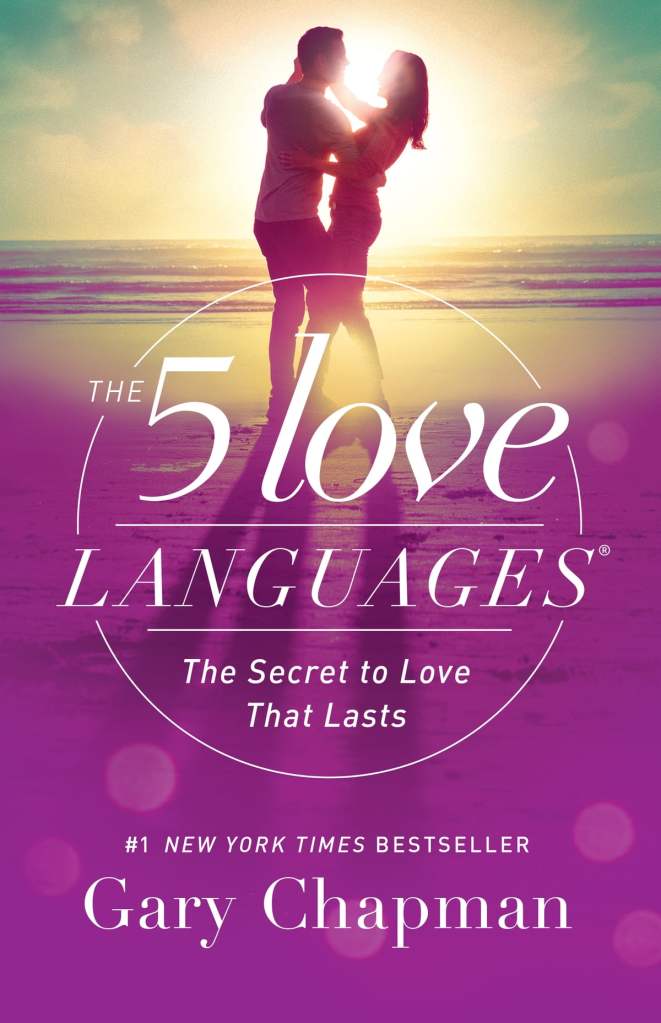
“The 5 Love Languages” is a book written by Gary Chapman that explains the concept of love languages and how they can be used to improve relationships. Chapman argues that people express and receive love in different ways, and that understanding these differences can help couples communicate more effectively, resolve conflicts, and deepen their emotional connections. The book has sold over 11 million copies worldwide and has been translated into 50 languages.
“Forgiveness is not a feeling; it is a commitment.”
Gary Chapman

The five love languages are:
- Words of Affirmation: This love language involves verbal expressions of love, such as compliments, words of appreciation, and encouragement. People who value words of affirmation feel loved and valued when they hear positive and affirming words from their partner.
- Acts of Service: This love language involves actions that show love and care, such as doing household chores, running errands, or preparing a meal. People who value acts of service feel loved and appreciated when their partner does things for them.
- Receiving Gifts: This love language involves giving and receiving gifts as a way to show love and affection. People who value receiving gifts feel loved and cherished when their partner gives them thoughtful and meaningful gifts.
- Quality Time: This love language involves spending time together, giving undivided attention, and engaging in meaningful conversations and activities. People who value quality time feel loved and connected when their partner gives them their time and attention.
- Physical Touch: This love language involves physical contact, such as holding hands, hugging, kissing, and sexual intimacy. People who value physical touch feel loved and cared for when their partner is physically affectionate with them.
Chapman argues that most people have a primary love language, but that they may also appreciate expressions of love in other languages. He suggests that couples can improve their relationships by learning each other’s love languages and making an effort to express love in ways that their partner can understand and appreciate.
The book is organized into three parts. In the first part, Chapman explains the concept of love languages and provides an overview of each of the five languages. He also provides a quiz that readers can take to determine their own love language and that of their partner.
In the second part, Chapman discusses how to speak each of the love languages effectively. He provides practical advice on how to use words of affirmation, acts of service, gifts, quality time, and physical touch to express love in ways that resonate with each individual’s primary love language.
In the third part, Chapman applies the concept of love languages to different types of relationships, including marriages, dating relationships, and parent-child relationships. He provides real-life examples of how couples have used the love languages to improve their relationships, and he addresses common issues and challenges that couples face.
One of the key themes of the book is that expressing love in the wrong love language can actually be counterproductive, even if the intention is good. For example, if someone’s primary love language is acts of service, they may not feel loved or appreciated if their partner expresses love through words of affirmation, even if those words are sincere. In fact, the partner may feel misunderstood or even resentful if they don’t receive the type of love that they need.
Chapman also emphasizes the importance of empathy and understanding in relationships. He encourages couples to put themselves in their partner’s shoes and to consider how their actions and words might be interpreted by someone with a different love language. He also suggests that couples be willing to learn and grow together, rather than expecting their partner to change to meet their needs.
Overall, “The 5 Love Languages” is a helpful and practical guide for anyone who wants to improve their relationships. By understanding and speaking their partner’s love language, couples can deepen their emotional connections, reduce conflict, and create a more loving and fulfilling relationship.
ides readers with a range of tools and techniques for taking control of their lives and achieving their goals. While some of the book’s claims may be controversial, its message of personal empowerment and responsibility has resonated with millions of readers worldwide.
 Book Movie Technology Reviews Fitness Wellness Health Tips