
10 Timeless Books That Everyone Should Read
Books have the power to take us on incredible journeys, to teach us new ideas and perspectives, and to help us see the world in a different way. Whether you’re an avid reader or just starting to explore the world of literature, there are certain books that simply must be experienced. These 10 timeless books are classics for a reason, and have stood the test of time to become some of the most beloved and revered works of literature in history. Each one offers a unique perspective on the human experience, and has the power to leave a lasting impression on those who read them. So, without further ado, let’s explore the 10 books that everyone should read at least once in their lifetime.
1. To Kill a Mockingbird
by
Harper Lee
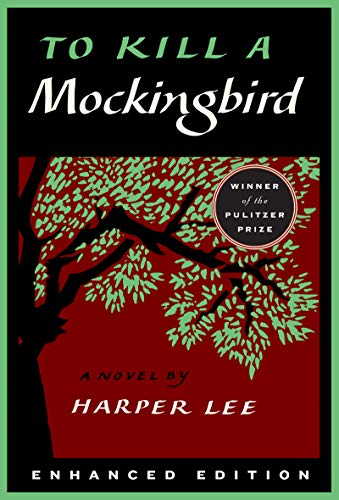
“To Kill a Mockingbird” is a powerful and thought-provoking novel that deals with themes of racism, justice, and human dignity. Set in the small fictional town of Maycomb, Alabama, during the Great Depression, the story is narrated by Scout Finch, a young girl who is growing up in a world that is deeply divided along racial lines.
The central character of the novel is Scout’s father, Atticus Finch, a small-town lawyer who is asked to defend a black man, Tom Robinson, who has been accused of raping a white woman. Despite the overwhelming evidence in Tom’s favor, the town’s deeply ingrained prejudices against African Americans make it nearly impossible for Atticus to win the case.
Throughout the novel, Harper Lee explores the many different ways in which racism and prejudice can manifest themselves, from the overt and violent racism of the Ku Klux Klan, to the more subtle forms of prejudice that exist in everyday interactions between people of different races.
At its heart, “To Kill a Mockingbird” is a story about courage and the struggle for justice in a world that is often hostile and unforgiving. Through the character of Atticus Finch, Harper Lee presents an ideal of what it means to be a truly moral and just person and challenges her readers to think about their own values and beliefs.
Overall, “To Kill a Mockingbird” is a timeless classic that remains as relevant today as it was when it was first published over 50 years ago. It is a must-read for anyone who wants to better understand the complexities of race and racism in America, and the importance of standing up for what is right, even in the face of overwhelming opposition.
2. 1984
by
George Orwell
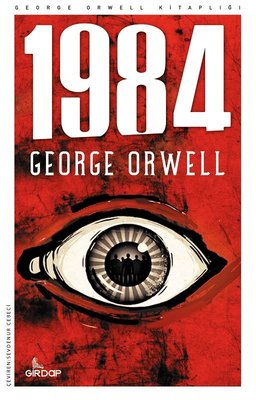
“1984” is a dystopian novel by George Orwell, first published in 1949. It is a classic and influential work of literature that remains relevant to this day. The story takes place in a totalitarian society, in which the government exerts complete control over the lives of its citizens. The protagonist, Winston Smith, works for the Ministry of Truth, where his job is to rewrite history and alter the facts to fit the government’s propaganda. Winston is a dissenter who secretly hates the regime, and he becomes involved in a forbidden love affair with a woman named Julia. Together, they attempt to rebel against the government, but they are ultimately caught and tortured until they are completely broken.
Orwell’s writing is clear, powerful, and effective. The book is a warning about the dangers of totalitarianism, and it remains an important reminder of the importance of individual freedom and the dangers of state control. The novel has been widely read and discussed since its publication, and its ideas have influenced other works of fiction and nonfiction.
One of the strengths of “1984” is its ability to create a vivid and terrifying vision of the future. Orwell’s descriptions of the government’s control over every aspect of citizens’ lives, including their thoughts and emotions, are particularly chilling. The book is also notable for its exploration of the power of language and the manipulation of truth. The government’s ability to control language and use it to alter the past and present is a particularly frightening concept, and one that resonates in our current era of “fake news” and propaganda. Overall, “1984” is a classic work of literature that remains relevant and thought-provoking today. Its exploration of totalitarianism, freedom, and the power of language and propaganda make it a must-read for anyone interested in the nature of power and control in society.
3. The Catcher in the Rye
by
J.D. Salinger
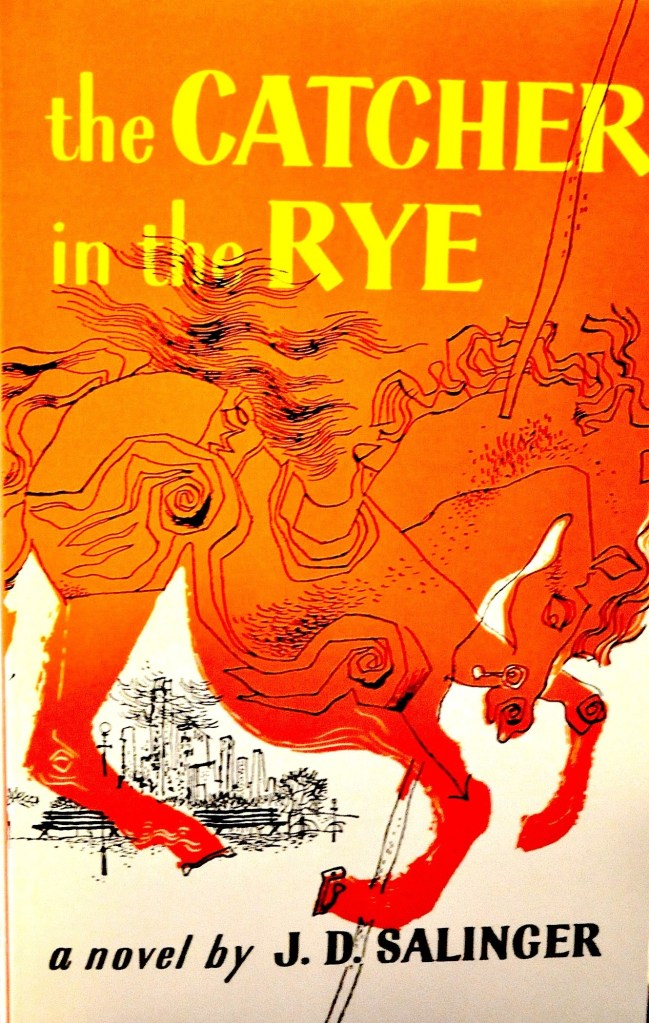
“The Catcher in the Rye” by J.D. Salinger is a classic novel that has captivated readers for decades. The story is a first-person narrative of Holden Caulfield, a young man who has been expelled from his prep school and is wandering aimlessly around New York City. The novel explores themes of teenage angst, alienation, and the search for identity.
Holden is a complex and troubled character, struggling to come to terms with the world around him. He is disillusioned with the phoniness he perceives in those around him, and longs for a sense of authenticity and connection. As he wanders through the city, he encounters a variety of characters who he both admires and despises, and the novel is punctuated by his often-hilarious musings on the world around him.
One of the reasons “The Catcher in the Rye” has endured as a classic is the authenticity of Holden’s voice. Salinger masterfully captures the stream-of-consciousness narration of a young, troubled mind, and Holden’s voice has become a cultural touchstone, inspiring generations of readers and writers alike.
Overall, “The Catcher in the Rye” is a must-read for anyone interested in literature or the human condition. Its enduring popularity and cultural significance are a testament to the power of Salinger’s writing and the enduring appeal of Holden Caulfield’s unique and unforgettable voice.
4.Brave New World
by
Aldoux Huxley

“Brave New World” is a dystopian novel by Aldous Huxley, published in 1932. It is set in a futuristic society where people are engineered in factories and live in a highly controlled, hedonistic world, where all citizens are conditioned to believe that they are happy, content, and free. In this world, individuality is discouraged and intellectual curiosity is suppressed, while pleasure and superficial happiness are the only values. The novel follows the story of Bernard Marx, an outsider in this society who questions its values and norms, and ultimately leads a revolt against it.
Huxley’s novel is a warning against the dangers of science and technology when they are used for the purpose of control and manipulation, and a critique of a society that values conformity and superficial happiness over individuality and authentic human experience. Through his vivid descriptions of a sterile and regimented society, Huxley paints a bleak picture of a world without art, spirituality, or true human connection.
Despite being written over 80 years ago, “Brave New World” remains relevant and thought-provoking today. It is a powerful reminder of the importance of individual freedom and critical thinking, and the dangers of surrendering them to the state or other controlling forces. Huxley’s novel is a classic of dystopian literature that has inspired generations of readers and writers, and it continues to challenge and provoke readers with its vision of a world where science and technology have become a means of oppression rather than liberation.
5. Crime and Punishment
by
Fyodor Dostoevsky
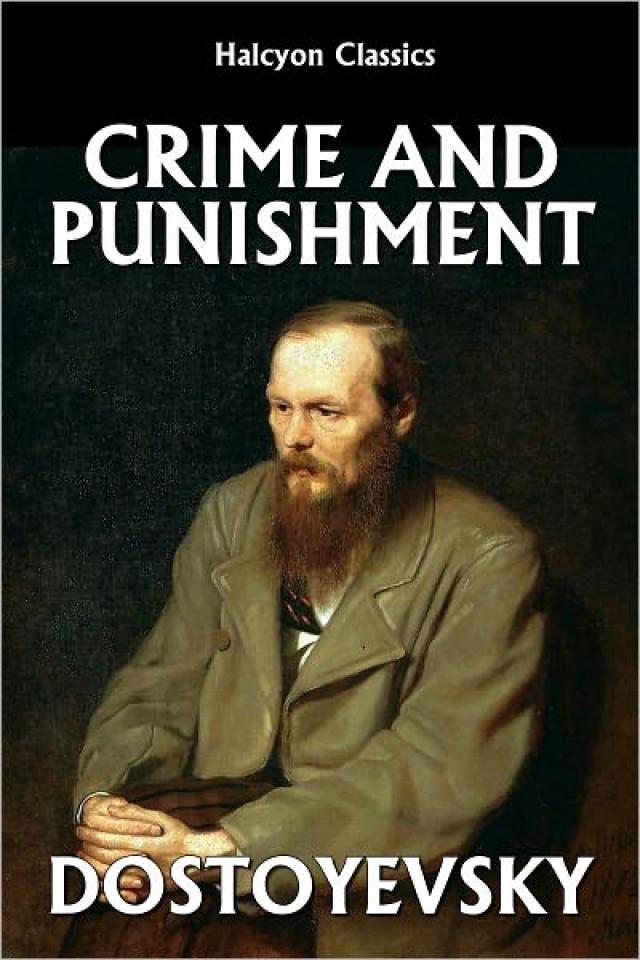
“Crime and Punishment” is a psychological novel written by Fyodor Dostoevsky and first published in 1866. The novel tells the story of Rodion Raskolnikov, a poor ex-student who becomes delirious after killing a pawnbroker for her money. The rest of the novel explores his guilt and psychological turmoil, as well as the relationships he has with his family and the people he meets.
One of the most striking elements of “Crime and Punishment” is the way in which it explores the human psyche. Dostoevsky expertly portrays the ways in which guilt and shame can consume a person, and how the mind can be tortured by the weight of wrongdoing. The novel also deals with themes of poverty, social injustice, and the nature of morality.
The characters in “Crime and Punishment” are complex and multifaceted, and Dostoevsky does an excellent job of exploring their inner thoughts and motivations. Raskolnikov in particular is a fascinating character, as we see him struggle with his guilt and the possibility of redemption. The novel is also notable for its portrayal of the city of St. Petersburg, which is depicted as a bleak and oppressive environment that exacerbates the struggles of its inhabitants.
Overall, “Crime and Punishment” is a thought-provoking and powerful novel that continues to be studied and analyzed by literary scholars today. Its exploration of the human psyche and the consequences of immoral actions has resonated with readers for over a century, and its themes continue to be relevant in modern times.
6. One Hundred Years of Solitude
by
Gabriel Garcia Marquez
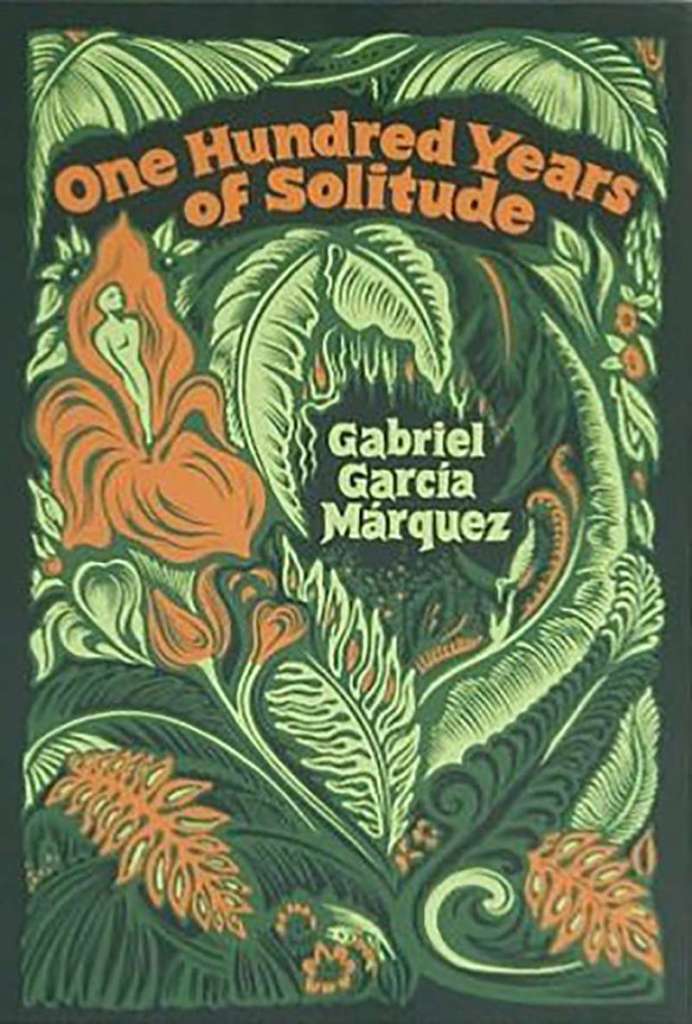
One Hundred Years of Solitude is a masterpiece of magical realism that tells the multi-generational story of the Buendía family and their hometown, Macondo. The novel is an exploration of the human experience, from birth and love to war and death, all set against a backdrop of political upheaval in Colombia.
Gabriel Garcia Marquez’s vivid writing style and masterful storytelling transports the reader into the surreal and mystical world of Macondo, where everyday events are infused with a sense of the otherworldly. The novel is notable for its use of recurring symbols and motifs, such as the Buendía family’s tendency towards incestuous relationships and the magical appearance and disappearance of yellow butterflies.
One Hundred Years of Solitude is a novel about the cyclical nature of time, the human condition, and the connections that bind families together through generations. The novel’s central themes are both timeless and universal, and its message is as relevant today as it was when the book was first published in 1967.
The novel’s influence on literature and popular culture is immense, and it has been translated into over 40 languages. It was awarded the Nobel Prize for Literature in 1982 and remains one of the most beloved and widely read works of Latin American literature.
7. The Grapes of Wrath
by
John Steinbeck
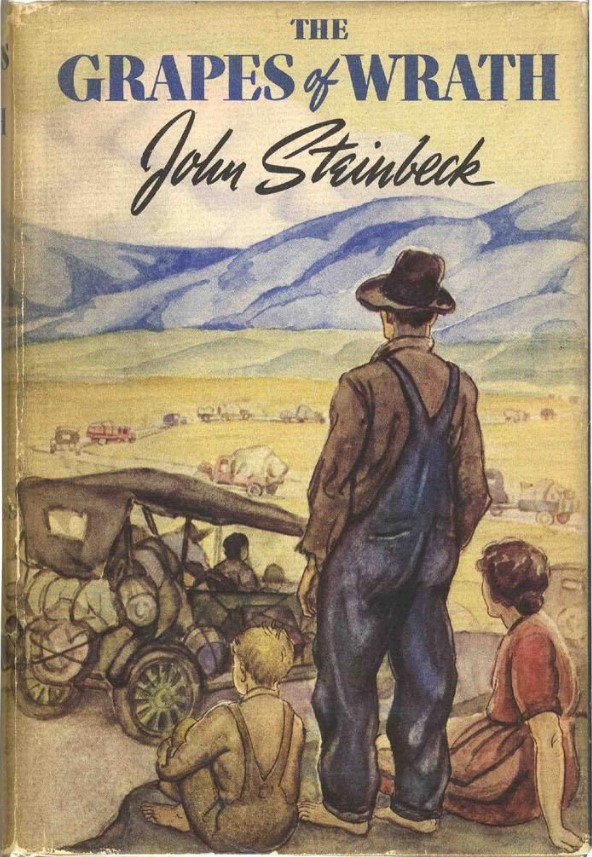
“The Grapes of Wrath” by John Steinbeck is a novel that captures the struggles of the working-class families during the Great Depression. The story is set during the Dust Bowl era, where drought and erosion caused severe damage to the agricultural lands, forcing people to leave their homes in search of work and a better life.
The novel follows the Joad family, who are tenant farmers in Oklahoma and are forced to migrate to California in search of work after being evicted from their farm. The journey is full of challenges, and they face discrimination, poverty, and injustice along the way. The story is a powerful portrayal of the harsh realities of life during the Great Depression, and the struggles of the working-class families to survive.
Steinbeck’s writing is captivating, and his descriptions of the people and the places the Joad family encounters on their journey are vivid and striking. He effectively uses imagery and symbolism to convey the themes of poverty, injustice, and the resilience of the human spirit. The characters are well developed, and the reader becomes emotionally invested in their journey and their struggles.
“The Grapes of Wrath” is a timeless classic, and its themes of social inequality and the struggle for survival resonate with readers even today. The novel has won numerous awards and has been adapted into a movie, stage productions, and even an opera. It is a must-read for anyone interested in the history of the Great Depression and the struggles of the working-class families during that period.
8. The Great Gatsby
by
F. Scott Fitzgerald
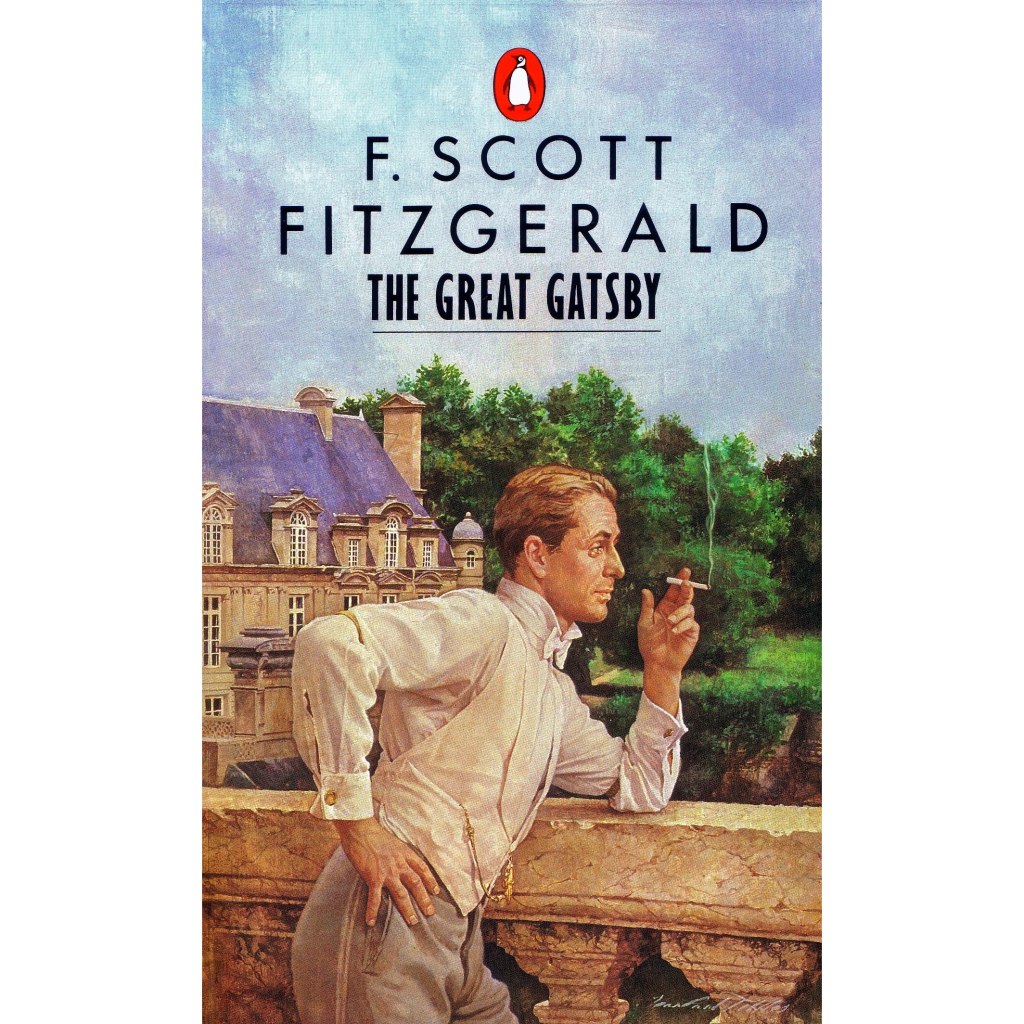
“The Great Gatsby” is a classic novel written by F. Scott Fitzgerald, published in 1925. Set in the Roaring Twenties, the novel explores the decadence and excess of the era through the eyes of its narrator, Nick Carraway, as he becomes involved with his enigmatic and wealthy neighbor, Jay Gatsby.
Through Fitzgerald’s masterful prose, the novel explores themes of love, loss, and the American Dream, and serves as a powerful critique of the corrupt values of the wealthy elite. With its unforgettable characters and iconic prose, “The Great Gatsby” has become a staple of American literature and a testament to Fitzgerald’s skill as a writer.
At its heart, “The Great Gatsby” is a tragic love story, as Gatsby pines for the unattainable Daisy Buchanan and becomes embroiled in a web of deceit and betrayal. But it is also a social commentary on the excesses of the Jazz Age and the moral decay of the American Dream, as characters grapple with the gap between their aspirations and the realities of their lives.
With its enduring relevance and powerful themes, “The Great Gatsby” has become a cornerstone of American literature and a must-read for anyone interested in exploring the complexities of the American experience.
9. Pride and Prejudice
by
Jane Austen
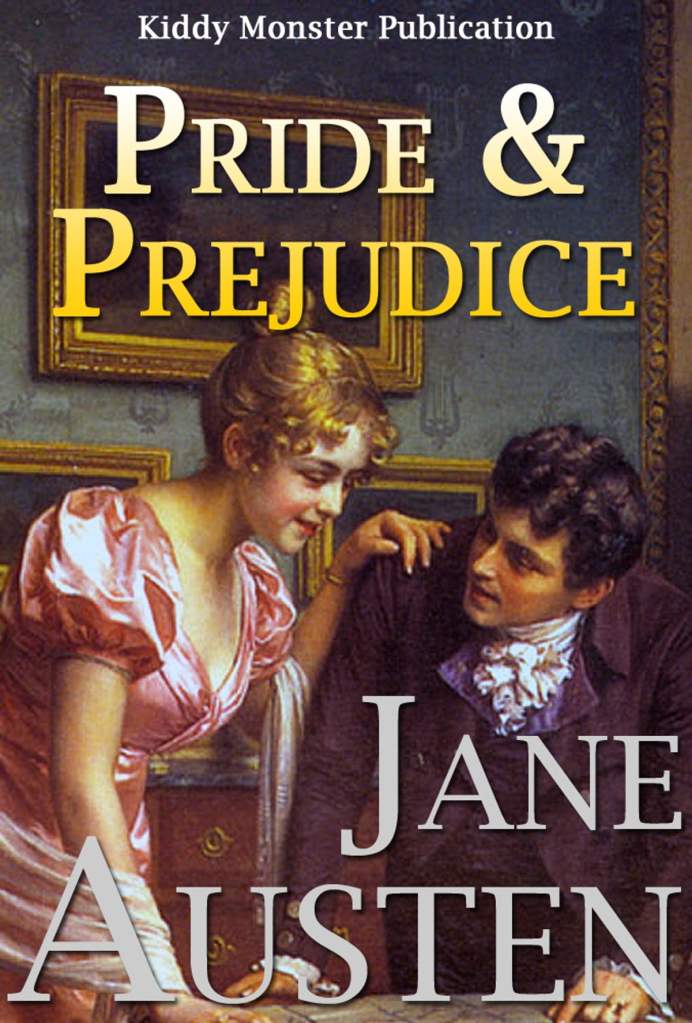
Pride and Prejudice by Jane Austen is a timeless classic that has been captivating readers for more than 200 years. Published in 1813, the novel explores the themes of love, marriage, social status, and gender roles in 19th-century England.
The story revolves around the Bennet family and their five daughters. The protagonist, Elizabeth Bennet, is an intelligent and independent young woman who is determined to marry for love and not for social status or financial security. When wealthy bachelor Mr. Bingley moves into the neighborhood, Mrs. Bennet is overjoyed at the prospect of one of her daughters marrying him. However, Mr. Bingley’s friend, the proud and reserved Mr. Darcy, disapproves of the Bennet family’s lack of social standing and is initially unimpressed with Elizabeth. Despite their initial dislike of each other, Elizabeth and Mr. Darcy are drawn to each other, and their love story unfolds against a backdrop of social conventions and class divisions.
Austen’s writing is witty, insightful, and at times humorous, and her characters are complex and well-developed. Through her portrayal of Elizabeth, Austen challenges the patriarchal values and social norms of her time, making Pride and Prejudice a groundbreaking work of feminist literature. The novel’s enduring popularity is a testament to its universal themes and timeless appeal.
10. Wuthering heights
by
Emily Bronte
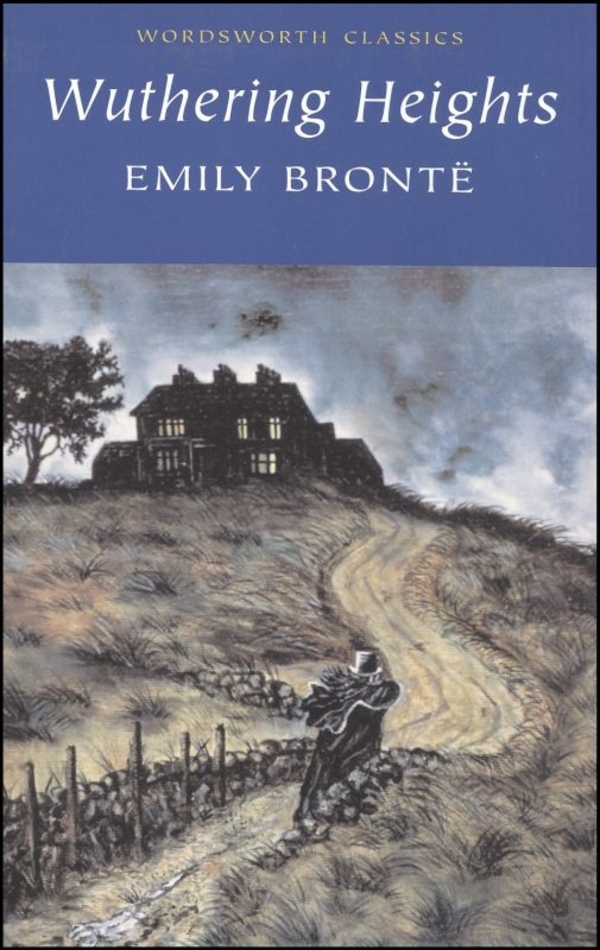
Wuthering Heights is a novel by Emily Bronte, published in 1847. Set in the harsh and isolated moors of Northern England, the book tells the story of the ill-fated love between Catherine Earnshaw and Heathcliff, an orphan boy who is taken in by Catherine’s father. Their tumultuous relationship, along with the stories of the other characters that revolve around them, paints a vivid picture of the emotional and psychological complexities of love and passion.
At its core, Wuthering Heights is a novel about the destructive nature of love and obsession. Catherine and Heathcliff’s relationship is filled with passion and intensity, but it is also marked by jealousy, possessiveness, and cruelty. As their story unfolds, it becomes clear that their love is more destructive than nourishing, leaving a trail of heartbreak and tragedy in its wake.
Bronte’s prose is both haunting and beautiful, capturing the stark beauty of the moors and the emotional turmoil of her characters. The novel is a masterpiece of gothic literature, with its dark and brooding atmosphere, complex characters, and themes of love, death, and revenge.
Wuthering Heights is a timeless classic that continues to captivate readers today. Its themes of love, passion, and the human psyche resonate just as strongly now as they did over 150 years ago when the book was first published. If you haven’t read it yet, it is a must-read for anyone who loves great literature.
 Book Movie Technology Reviews Fitness Wellness Health Tips