
Ansible vs Terraform: Which One is Right for Your IT Automation Needs?

The world of DevOps and Infrastructure as Code (IAC) has grown rapidly in recent years, and two of the most prominent players in this field are Ansible and Terraform. Both Ansible and Terraform are widely used by organizations to automate the deployment, configuration, and management of their infrastructure. However, despite their similarities, there are also key differences between the two tools that make them suitable for different use cases.
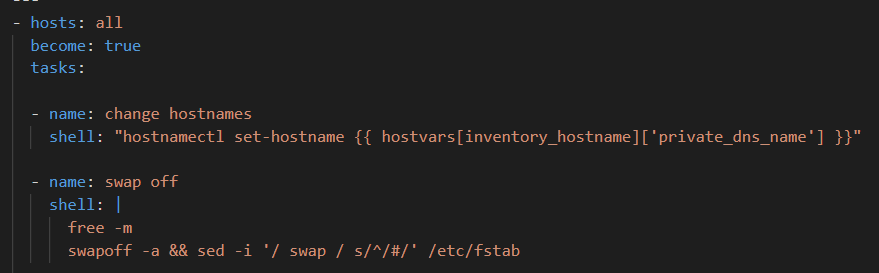
Ansible is a configuration management tool that provides a simple and easy-to-use syntax for automating IT tasks. It uses a declarative language, which makes it easy for users to understand and maintain. Ansible is agentless, meaning that it does not require a client to be installed on the target machine, and it uses SSH to communicate with the target machine. Ansible is suitable for organizations that need to manage and configure existing infrastructure, such as server and network configurations, and applications.
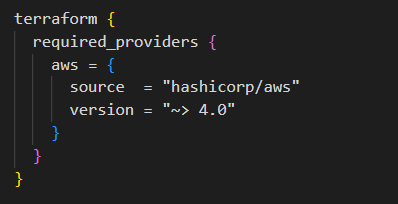
Terraform, on the other hand, is an IAC tool that provides a way to describe and provision infrastructure as code. Terraform uses a domain-specific language (DSL) to define the desired state of the infrastructure and then uses APIs to automate the creation and configuration of that infrastructure. Terraform is client-based and supports multiple cloud providers, making it suitable for organizations that need to deploy and manage cloud infrastructure, such as virtual machines, databases, and storage.
Another key difference between Ansible and Terraform is the way they approach infrastructure management. Ansible focuses on configuration management, and its approach is more about making changes to the existing infrastructure. Terraform, on the other hand, focuses on the provisioning and management of infrastructure, with its approach being more about creating new infrastructure from scratch.
Ansible also provides a rich set of pre-built modules and plugins, making it easy to automate common IT tasks such as software installation, file transfers, and database management. Terraform, on the other hand, provides a simple and consistent way of defining infrastructure, but does not provide as much pre-built functionality as Ansible.
In terms of scalability, Ansible is typically easier to scale as it uses a push-based model where the Ansible controller pushes the configuration to the target machines. Terraform uses a pull-based model where Terraform clients pull the configuration from the Terraform state, making it more complex to scale.
In conclusion, both Ansible and Terraform are powerful tools that can automate the deployment and management of infrastructure, but they are suited to different use cases. Ansible is ideal for organizations that need to manage and configure existing infrastructure, while Terraform is ideal for organizations that need to deploy and manage cloud infrastructure. Organizations should carefully evaluate their needs and use cases before choosing between the two tools.
 Book Movie Technology Reviews Fitness Wellness Health Tips