
The Benefits of Containerization with Docker and Kubernetes for DevOps
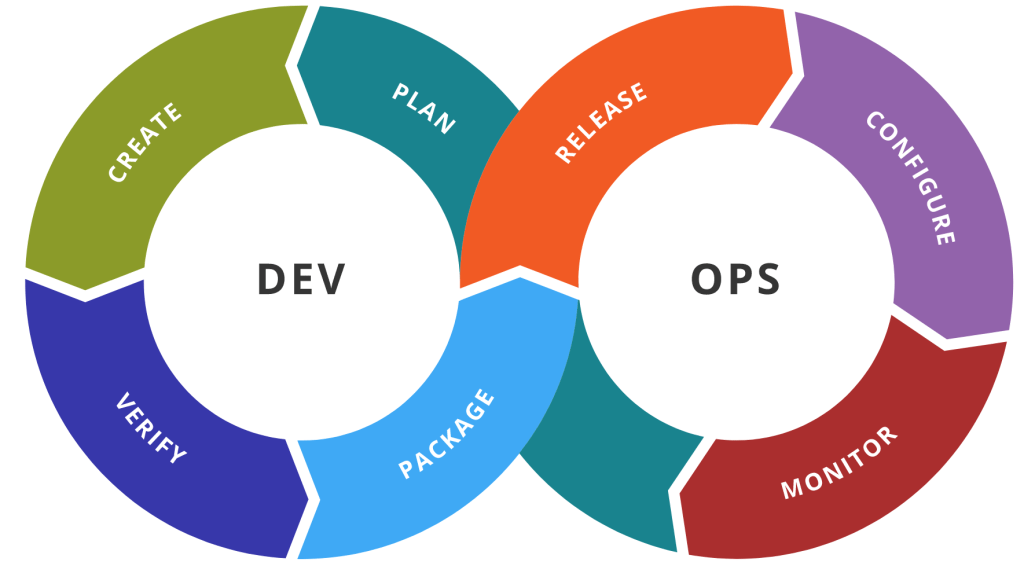
Containerization is an essential aspect of modern DevOps practices. It involves using software containers to package and deploy applications in a consistent and repeatable way. Containers enable developers to create, test, and deploy applications quickly and efficiently, while also reducing operational complexity. In this article, we will discuss how Docker and Kubernetes can be used to deploy applications in a containerized environment.
Docker: Overview and Benefits
Docker is an open-source containerization platform that enables developers to package and deploy applications in a containerized environment. Docker provides a standardized way to package applications, including all dependencies and configurations, into a single container. This container can then be deployed on any machine, regardless of the underlying infrastructure or operating system. Docker provides several benefits for DevOps teams, including:
- Consistency: Docker ensures that the same container can be run in multiple environments, which makes it easy to maintain consistency across the development, testing, and production environments.
- Portability: Docker containers are lightweight and portable, which makes it easy to move applications across different environments and infrastructure.
- Scalability: Docker containers can be easily scaled up or down depending on the demand for the application, which makes it easy to handle traffic spikes or changes in usage patterns.
- Security: Docker containers provide a secure environment for running applications, which helps to reduce the risk of security vulnerabilities and attacks.
Kubernetes: Overview and Benefits
Kubernetes is an open-source container orchestration platform that provides a framework for automating the deployment, scaling, and management of containerized applications. Kubernetes helps DevOps teams to manage containers at scale and provides several benefits, including:
- Automation: Kubernetes automates many aspects of container management, including deployment, scaling, and load balancing, which helps to reduce operational complexity.
- Scalability: Kubernetes provides a framework for scaling applications based on demand, which helps to ensure that applications can handle traffic spikes and changes in usage patterns.
- Resilience: Kubernetes provides a framework for managing and monitoring containers, which helps to ensure that applications are resilient and can withstand failures.
- Portability: Kubernetes provides a standardized way to manage containers, which makes it easy to move applications across different environments and infrastructure.
Using Docker and Kubernetes Together
Docker and Kubernetes can be used together to deploy applications in a containerized environment. Docker provides a way to package and deploy applications in containers, while Kubernetes provides a framework for managing and scaling containers at scale. To use Docker and Kubernetes together, DevOps teams should follow the following steps:
- Build a Docker image of the application: DevOps teams should build a Docker image of the application, which includes all dependencies and configurations required to run the application.
- Push the Docker image to a container registry: Once the Docker image is built, DevOps teams should push the image to a container registry, such as Docker Hub or Amazon ECR.
- Create a Kubernetes deployment: DevOps teams should create a Kubernetes deployment that specifies the number of containers to be deployed and the Docker image to be used.
- Scale the Kubernetes deployment: DevOps teams can use Kubernetes to scale the deployment based on demand or other factors.
- Monitor and manage the deployment: DevOps teams should use Kubernetes to monitor and manage the deployment, including scaling, rolling updates, and handling failures.
Containerization is a critical aspect of modern DevOps practices, and Docker and Kubernetes provide a framework for managing containers at scale. By using Docker and Kubernetes together, DevOps teams can deploy applications in a containerized environment that is consistent, portable, scalable, and secure. Containerization simplifies deployment and reduces operational complexity, which enables DevOps teams to focus on developing and delivering high-quality applications.
 Book Movie Technology Reviews Fitness Wellness Health Tips