
Docker vs Kubernetes: Understanding the Key Differences

Docker and Kubernetes are two of the most popular technologies in the world of containerization and have been widely adopted by organizations looking to modernize their software development and deployment processes. Although they share a common goal of automating the deployment and scaling of applications, they are not exactly the same and have some key differences.
Docker is an open-source platform that enables developers to create, deploy, and run applications inside containers. Containers are isolated units of software that package an application and its dependencies into a single, lightweight package, making it easier to deploy and run applications consistently across different environments. Docker simplifies the deployment process by providing a standard format for distributing and running applications, making it easier for developers to manage dependencies and test their applications.
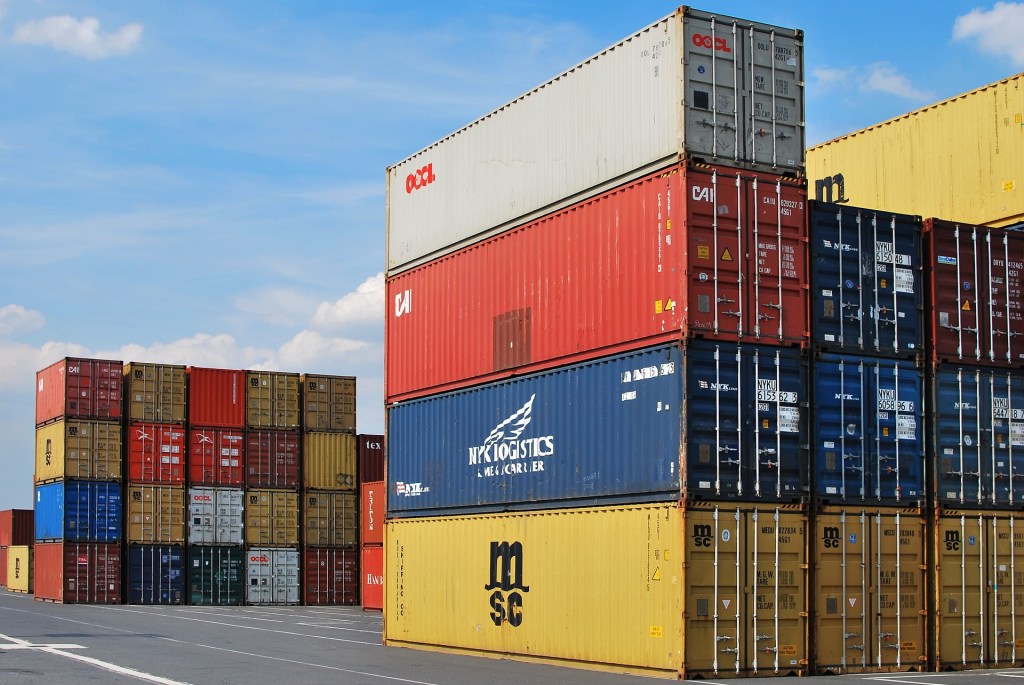
Kubernetes, on the other hand, is an open-source platform that automates the deployment, scaling, and management of containerized applications. Kubernetes provides a way to manage containers at scale, handling everything from deployment to scaling and even rolling updates. It acts as an orchestration layer, automating the management and coordination of containers, making it easier for organizations to scale their applications up or down as needed.
One of the key differences between Docker and Kubernetes is the focus of their respective technologies. Docker is focused on providing an easy-to-use platform for developers to create and deploy applications, while Kubernetes is focused on providing a scalable and flexible platform for managing containers in production. Docker is ideal for small-scale applications and development environments, while Kubernetes is better suited for large-scale, production-ready applications.
Another difference between Docker and Kubernetes is the level of complexity involved in managing containers. Docker provides a simple and straightforward way to manage containers, while Kubernetes provides a more complex and flexible platform for managing containers at scale. Kubernetes requires a deeper understanding of how it works, but also provides more advanced features and options for managing containers.
Finally, the two technologies have different approaches to networking. Docker uses a flat networking model, where all containers share the same network namespace, while Kubernetes uses a more complex, hierarchical networking model that enables fine-grained control over network access and security. This makes Kubernetes more suitable for larger, multi-tier applications, while Docker may be more suitable for smaller, single-tier applications.
In conclusion, Docker and Kubernetes are two powerful technologies for automating the deployment and management of containerized applications. While they share a common goal, they have different focuses, levels of complexity, and approaches to networking. The choice between the two will depend on the specific needs of your organization and the complexity of your applications. If you’re looking for a simple platform for deploying and testing applications, Docker may be the best choice, but if you need a scalable and flexible platform for managing containers in production, Kubernetes is the way to go.
 Book Movie Technology Reviews Fitness Wellness Health Tips