
Security in DevOps: Building Secure Systems
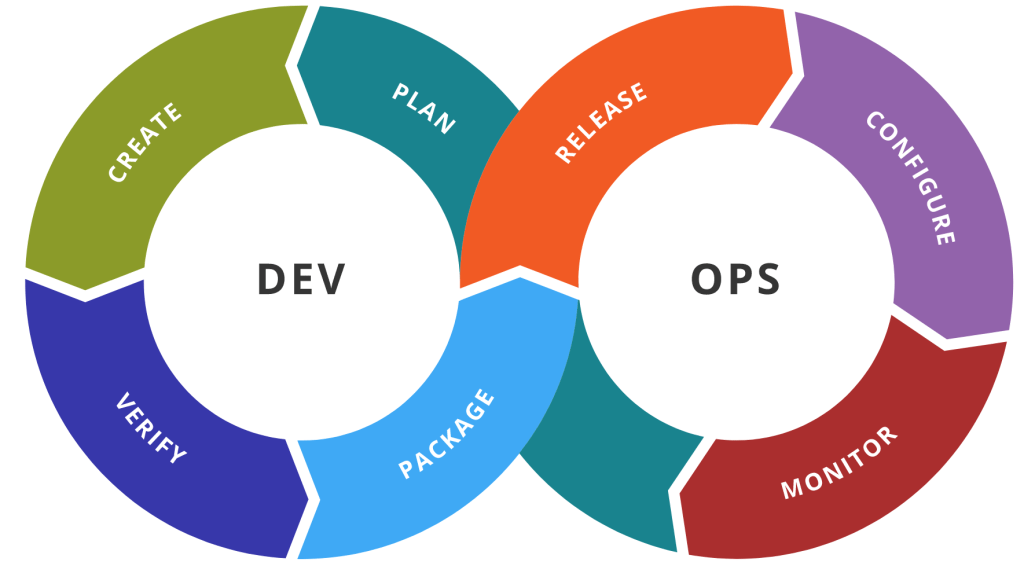
As organizations embrace DevOps practices and methodologies, it’s essential to consider security as a crucial aspect of the entire development process. DevOps teams are responsible for ensuring that the systems they build and deploy are secure and can withstand potential security threats. In this article, we’ll explore some of the best practices that DevOps teams can adopt to build secure systems, manage secrets and keys, implement security policies, perform vulnerability assessments and penetration testing, and foster a security culture.
Building Secure Systems
Building secure systems is a critical aspect of DevOps. DevOps teams should take a proactive approach to security by considering security from the design and development stage. To build secure systems, DevOps teams should:
- Use security best practices: DevOps teams should use security best practices such as applying the principle of least privilege, encrypting data in transit and at rest, and using secure protocols and algorithms.
- Conduct security testing: DevOps teams should conduct security testing to identify potential security issues. This testing can include automated testing, manual testing, and penetration testing.
- Use secure coding practices: DevOps teams should use secure coding practices such as input validation, error handling, and sanitizing user input to prevent common security vulnerabilities such as SQL injection, cross-site scripting (XSS), and cross-site request forgery (CSRF).
- Adopt a defense-in-depth approach: DevOps teams should adopt a defense-in-depth approach to security, which involves using multiple layers of security controls to protect against potential security threats.
Managing Secrets and Keys

Secrets and keys are essential components of DevOps. They are used to authenticate access to various resources such as APIs, databases, and other systems. DevOps teams must manage secrets and keys securely to prevent potential security threats. To manage secrets and keys securely, DevOps teams should:
- Use a secure key management system: DevOps teams should use a secure key management system to manage secrets and keys. The key management system should provide secure storage, access controls, and auditing capabilities.
- Avoid hard-coding secrets and keys: DevOps teams should avoid hard-coding secrets and keys in code or configuration files. Hard-coding secrets and keys can make them easily discoverable and accessible to potential attackers.
- Use environment variables: DevOps teams should use environment variables to store secrets and keys. Environment variables provide a secure and flexible way to store secrets and keys.
- Rotate secrets and keys regularly: DevOps teams should rotate secrets and keys regularly to reduce the risk of potential security threats. Secrets and keys should be rotated according to a defined schedule or in response to potential security incidents.
Implementing Security Policies

Implementing security policies is a critical aspect of DevOps. Security policies are a set of rules and procedures that dictate how DevOps teams should handle security-related issues. To implement security policies, DevOps teams should:
- Define security policies: DevOps teams should define security policies that align with their organization’s security objectives. The policies should cover areas such as access controls, data protection, and incident response.
- Communicate security policies: DevOps teams should communicate security policies to all team members and stakeholders. Communication can be through training, documentation, or other forms of communication.
- Enforce security policies: DevOps teams should enforce security policies by using automated tools such as security scanners, code analyzers, and security-focused testing frameworks.
- Monitor security policy compliance: DevOps teams should monitor compliance with security policies to identify potential security incidents and take appropriate action.
Performing Vulnerability Assessments and Penetration Testing
Performing vulnerability assessments and penetration testing is a critical aspect of DevOps. Vulnerability assessments and penetration testing help identify potential security threats and vulnerabilities in the system. To perform vulnerability assessments and penetration testing, DevOps teams should:
- Use automated vulnerability assessment tools: DevOps teams should use automated vulnerability assessment tools such as scanners and code analyzers to identify potential security threats.
- Conduct manual penetration testing: DevOps teams should conduct manual penetration testing to identify potential security threats that automated tools may have missed. Manual penetration testing involves simulating an attack on the system to identify potential vulnerabilities.
- Define a vulnerability management process: DevOps teams should define a vulnerability management process to ensure that identified vulnerabilities are addressed promptly. The vulnerability management process should include steps for identifying, prioritizing, and remediating vulnerabilities.
Fostering a Security Culture
Fostering a security culture is a critical aspect of DevOps. DevOps teams should create a culture of security awareness, where all team members are aware of potential security threats and take necessary precautions to prevent them. To foster a security culture, DevOps teams should:
- Provide security training: DevOps teams should provide security training to all team members to increase their awareness of potential security threats and best practices for addressing them.
- Encourage collaboration: DevOps teams should encourage collaboration between developers, operations, and security teams to ensure that security is considered at every stage of the development process.
- Make security a shared responsibility: DevOps teams should make security a shared responsibility, where all team members are responsible for ensuring that the systems they build and deploy are secure.
- Reward good security practices: DevOps teams should reward team members who demonstrate good security practices, such as identifying potential security threats or implementing security best practices.
In conclusion, security is a critical aspect of DevOps. DevOps teams must adopt a proactive approach to security and consider security from the design and development stage. DevOps teams should use security best practices, manage secrets and keys securely, implement security policies, perform vulnerability assessments and penetration testing, and foster a security culture. By adopting these best practices, DevOps teams can build secure systems that can withstand potential security threats and ensure that their organization’s data and assets are protected.
 Book Movie Technology Reviews Fitness Wellness Health Tips