
How Herbal Remedies Can Improve Your Sleep Quality and Reduce Insomnia Symptoms
Insomnia and other sleep disorders are common problems that affect millions of people worldwide. In addition to impacting daily life, a lack of sleep can have long-term health consequences, including increased risk for obesity, diabetes, heart disease, and other chronic conditions. While prescription sleep aids are available, they can have unwanted side effects and can be habit-forming. For those who prefer a natural approach, there are several herbal remedies that can be effective in promoting restful sleep.

Valerian Root
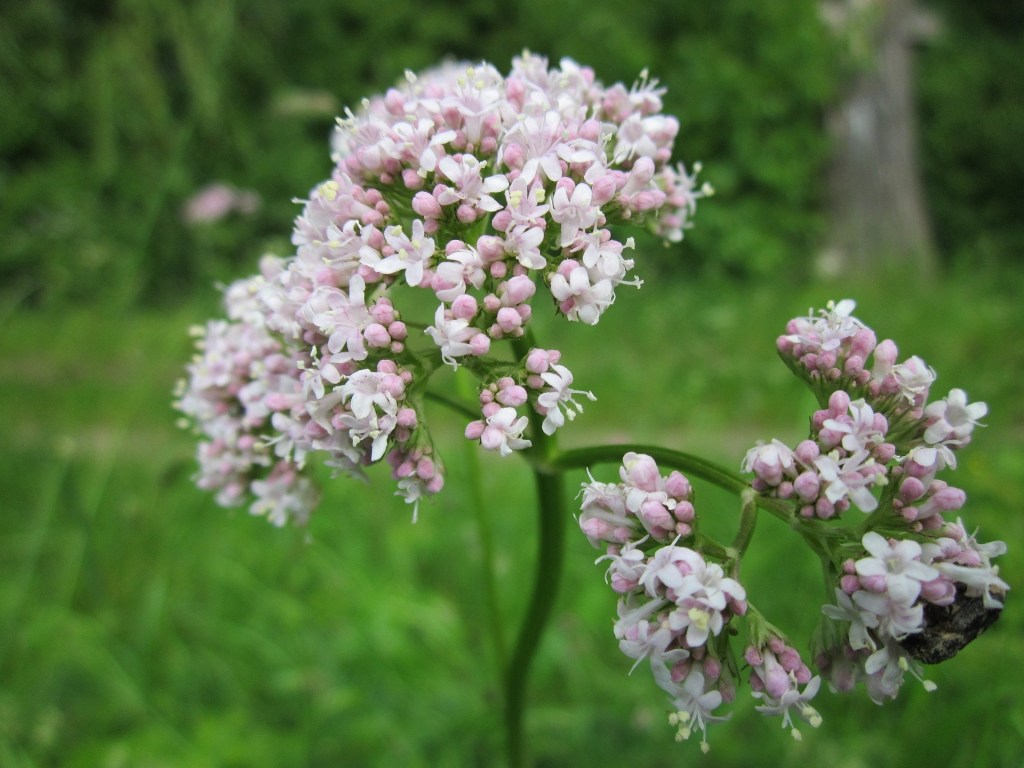
Valerian root is one of the most commonly used herbal remedies for sleep disorders, including insomnia. The root of the Valeriana officinalis plant has been used for centuries as a natural sedative and relaxant. It is believed to work by increasing the levels of GABA (gamma-aminobutyric acid), a neurotransmitter that helps to calm the nervous system and promote relaxation.
Several studies have shown that valerian root can be effective in improving sleep quality and reducing the time it takes to fall asleep. In one study, participants who took a valerian root supplement reported significantly improved sleep quality and reduced anxiety compared to those who took a placebo. Another study found that valerian root was as effective as a prescription sleep aid in improving sleep quality and reducing the time it took to fall asleep.
Valerian root is available in a variety of forms, including capsules, tablets, teas, and tinctures. It is generally considered safe, but can cause mild side effects in some people, including headaches, dizziness, and upset stomach.
Chamomile
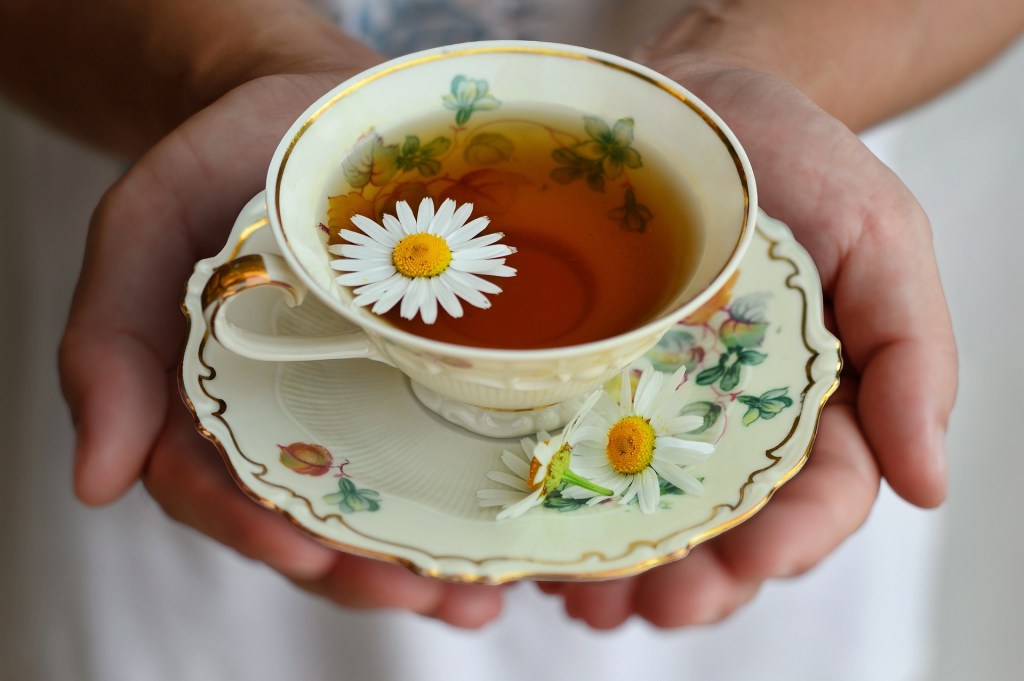
Chamomile is a gentle herb that is commonly used for its calming and soothing properties. It is often consumed as a tea and is believed to help promote relaxation and reduce anxiety. Chamomile contains several compounds that are thought to be responsible for its sedative effects, including apigenin, a flavonoid that binds to benzodiazepine receptors in the brain.
Several studies have shown that chamomile can be effective in improving sleep quality and reducing the time it takes to fall asleep. In one study, participants who drank chamomile tea before bed reported significantly improved sleep quality compared to those who drank a placebo tea. Another study found that chamomile extract was as effective as a prescription sleep aid in improving sleep quality and reducing the time it took to fall asleep.
Chamomile is generally considered safe and is not known to have any significant side effects. However, people with allergies to plants in the daisy family (such as ragweed) should use caution when consuming chamomile.
Passionflower
Passionflower is another herb that is commonly used for its calming and relaxing effects. It is believed to work by increasing the levels of GABA in the brain, similar to valerian root. Passionflower is often used to treat anxiety, but it can also be effective in promoting restful sleep.
Several studies have shown that passionflower can be effective in improving sleep quality and reducing the time it takes to fall asleep. In one study, participants who took a passionflower supplement reported significantly improved sleep quality compared to those who took a placebo. Another study found that passionflower was as effective as a prescription sleep aid in improving sleep quality and reducing the time it took to fall asleep.
Passionflower is generally considered safe and is not known to have any significant side effects. However, it should not be taken with other sedative medications, as it can increase the risk of excessive drowsiness.

Lavender
Lavender is a fragrant herb that is often used for its calming and relaxing effects.
It is commonly used in aromatherapy, and its essential oil is believed to have sedative effects that can help promote restful sleep. Lavender is also believed to have anxiolytic properties, which can help to reduce anxiety and promote relaxation.
Several studies have shown that lavender can be effective in improving sleep quality and reducing the time it takes to fall asleep. In one study, participants who inhaled lavender oil before bed reported significantly improved sleep quality compared to those who did not. Another study found that lavender oil was as effective as a prescription sleep aid in improving sleep quality and reducing the time it took to fall asleep.
Lavender essential oil can be used in a variety of ways to promote sleep, including in a diffuser, added to a warm bath, or applied topically (diluted with a carrier oil) to the skin. It is generally considered safe, but can cause skin irritation in some people.

Kava
Kava is a plant that is commonly used for its sedative and anxiolytic effects. It is believed to work by increasing the levels of GABA in the brain, similar to valerian root and passionflower. Kava is often used to treat anxiety and stress, but it can also be effective in promoting restful sleep.
Several studies have shown that kava can be effective in improving sleep quality and reducing the time it takes to fall asleep. In one study, participants who took a kava supplement reported significantly improved sleep quality compared to those who took a placebo. Another study found that kava was as effective as a prescription sleep aid in improving sleep quality and reducing the time it took to fall asleep.
Kava can be consumed as a tea or in supplement form. However, it should be used with caution, as it can cause liver damage in some people. It should not be used by people with liver disease or by pregnant or nursing women.

Conclusion
Herbal remedies can be effective in promoting restful sleep and reducing the symptoms of insomnia and other sleep disorders. Valerian root, chamomile, passionflower, lavender, and kava are just a few of the many herbs that can be used to improve sleep quality and reduce the time it takes to fall asleep. However, it is important to use these remedies with caution and to consult with a healthcare provider before using them, especially if you are taking other medications or have underlying health conditions. By incorporating these natural remedies into your sleep routine, you may be able to enjoy more restful and rejuvenating sleep without the need for prescription sleep aids.

 Book Movie Technology Reviews Fitness Wellness Health Tips