
Making the Right Choice: Factors to Consider When Choosing a Smartphone

In today’s world, smartphones are an essential part of our daily lives. We use them to communicate with our friends and family, to work, to stay connected, and even to entertain ourselves. With so many options available in the market, choosing the right smartphone can be overwhelming. To make the process easier for you, we’ve put together a guide to help you choose the best smartphone for your needs.
Operating System


One of the first things to consider when choosing a smartphone is the operating system. The two most popular operating systems are iOS and Android. iOS is exclusive to Apple devices and offers a more streamlined, controlled experience. Android, on the other hand, is available on a wide range of devices from various manufacturers and offers more customization options. If you’re already comfortable using a particular operating system, it may be wise to stick with it. Otherwise, you’ll want to choose the one that best suits your needs.
Display
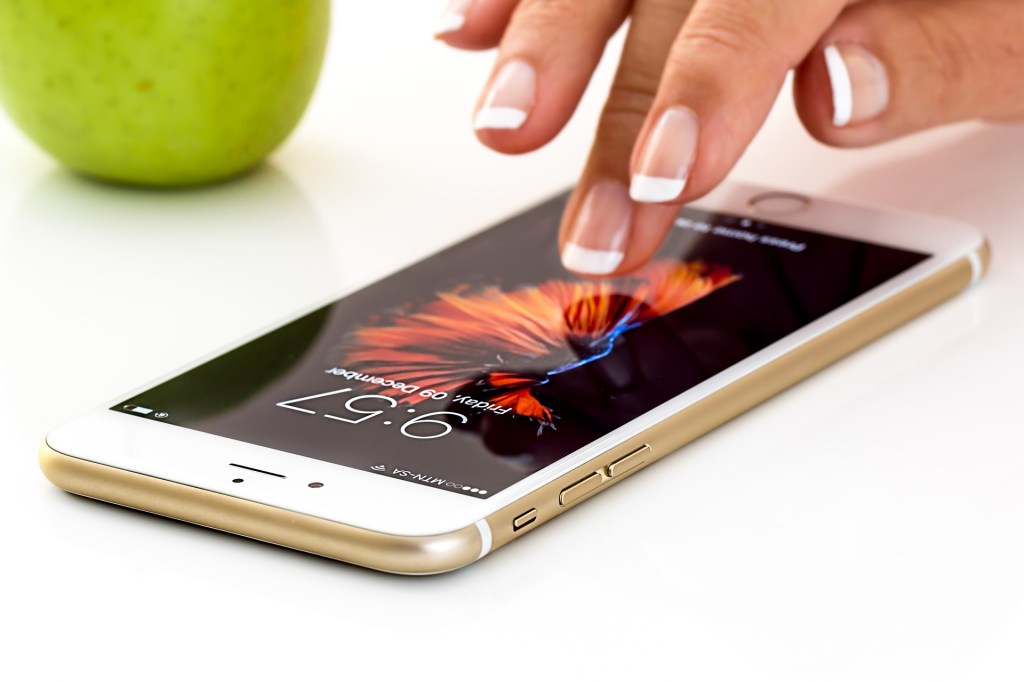
The display is one of the most important features of a smartphone, as it’s where you’ll be spending most of your time. You’ll want to consider the size, resolution, and quality of the display when choosing a smartphone. Larger displays are better for watching videos and playing games, while smaller displays are easier to handle and use with one hand. Higher resolution displays offer crisper and more vivid images, while lower resolution displays are often more affordable. You’ll also want to consider the quality of the display, including the brightness, contrast, and color accuracy.

Camera
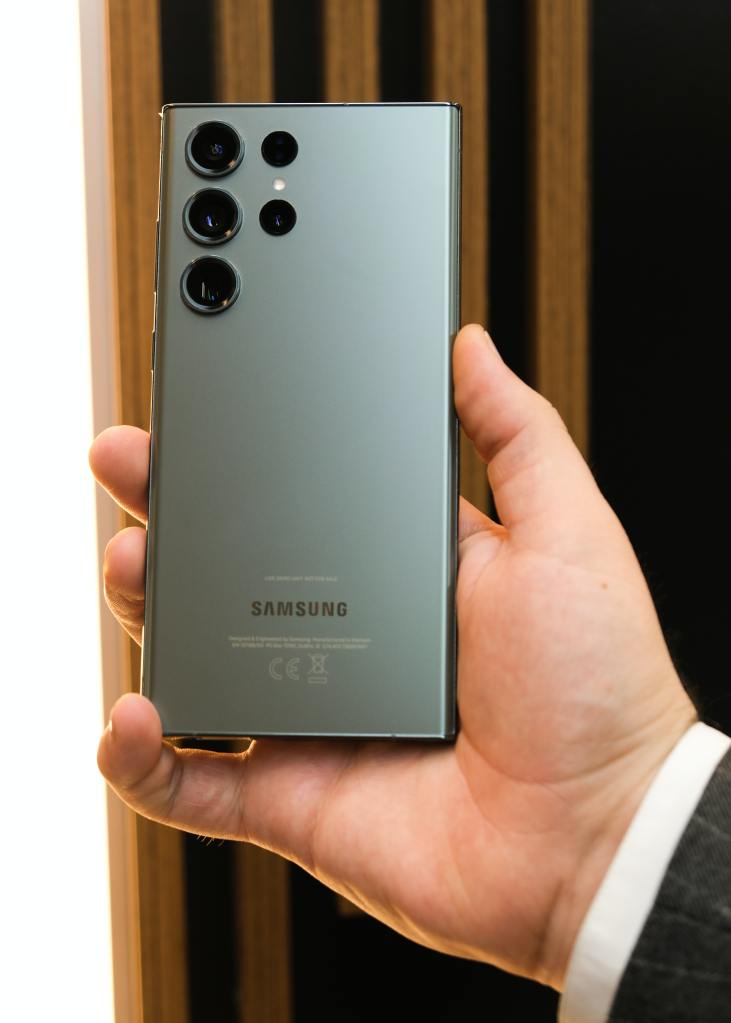
The camera is another important feature to consider when choosing a smartphone. Most modern smartphones have high-quality cameras, but there are still significant differences between devices. Some devices have multiple cameras, allowing you to take photos with different angles or zoom levels. Others have larger sensors, which can capture more light and produce higher-quality photos. Additionally, you’ll want to consider the front-facing camera if you plan on using your smartphone for video calls or selfies.

Battery Life
Battery life is a crucial consideration when choosing a smartphone, as it determines how long you can use your device without needing to recharge it. You’ll want to consider the capacity of the battery, which is measured in milliampere-hours (mAh). Larger batteries typically offer longer battery life, but they also increase the weight and thickness of the device. You’ll also want to consider the efficiency of the device, as some smartphones can make better use of their battery capacity than others.

Storage
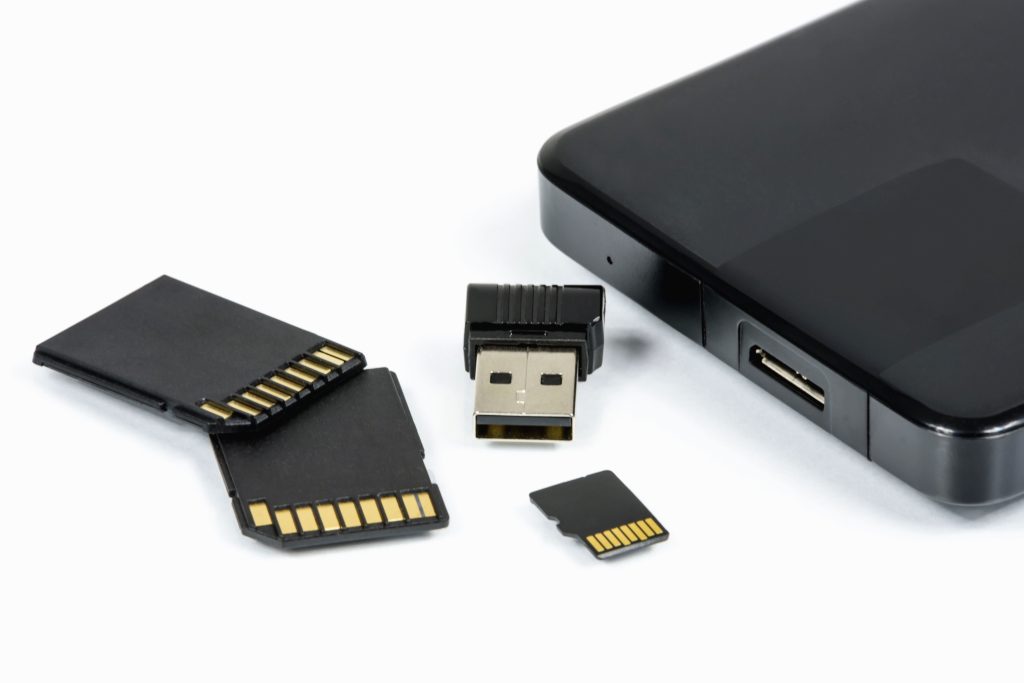
The amount of storage on a smartphone is another important consideration. You’ll want to consider both the internal storage, which is where your apps and data are stored, and the external storage, which is where you can store photos, videos, and other files. If you plan on using your smartphone to store a lot of photos or videos, you’ll want to choose a device with ample storage. Some smartphones also offer expandable storage, which allows you to add more storage using a microSD card.
Performance
The performance of a smartphone is determined by its processor, RAM, and other internal components. Higher-end smartphones typically have faster processors and more RAM, which allows them to run more demanding apps and multitask more efficiently. If you plan on using your smartphone for gaming or other intensive tasks, you’ll want to choose a device with a powerful processor and ample RAM.

Design
The design of a smartphone is also an important consideration, as it determines how the device looks and feels in your hand. You’ll want to consider the materials used in the construction of the device, as well as the overall aesthetic design. Some smartphones have unique features, such as curved displays or modular designs, which can add to their appeal.
Price
Price is, of course, a significant consideration when choosing a smartphone. High-end smartphones can cost more than a thousand dollars, while budget smartphones can be purchased for a few hundred dollars or less. You’ll want to consider your budget and determine what features are essential for your needs. It’s essential to remember that more expensive smartphones aren’t necessarily better for everyone. You may find that a mid-range device with a few key features that are essential to you is a better fit for your needs.

Brand
The brand of the smartphone is another consideration, and it’s important to choose a brand that has a good reputation for quality and reliability. Well-known brands such as Apple, Samsung, and Google are often a safe choice, but there are also many lesser-known brands that offer excellent value for money. You’ll want to do your research and read reviews from other users to determine which brands are the most reliable and which offer the best features for your needs.


Carrier
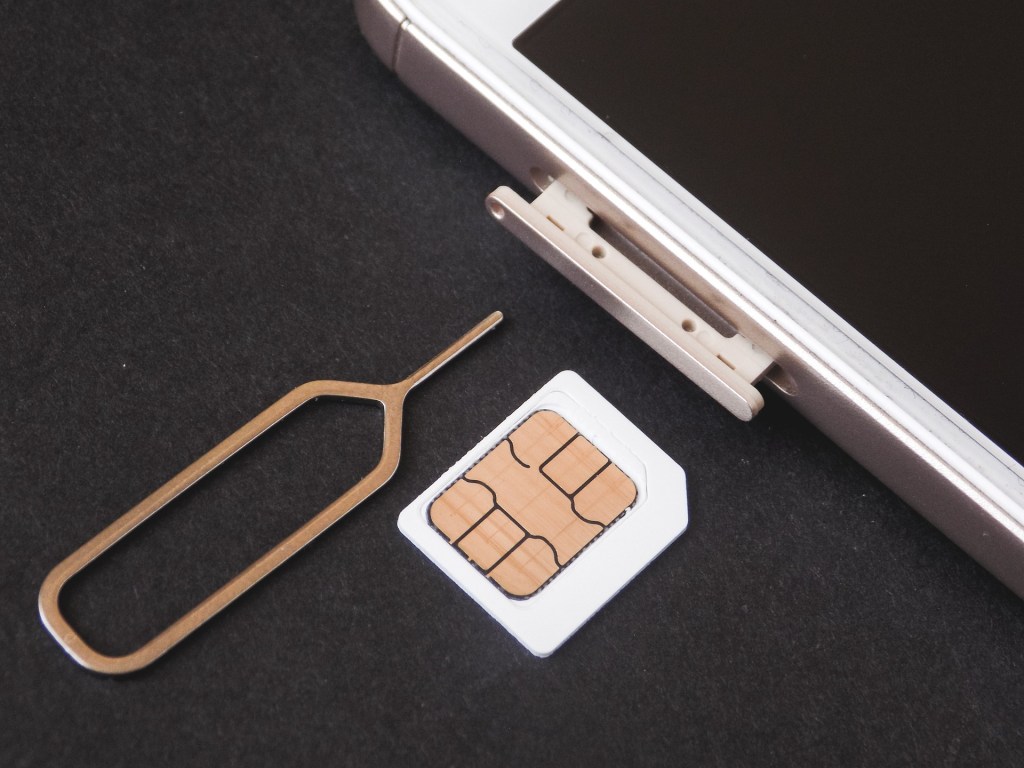
If you plan on using your smartphone with a carrier plan, you’ll want to consider which carriers are compatible with the device you choose. Different carriers use different technologies, such as GSM or CDMA, which can affect the compatibility of the device. Additionally, some carriers offer better coverage or data plans than others, so you’ll want to consider your needs and choose a carrier that offers the best value for money.
Conclusion
Choosing a smartphone can be a daunting task, but by considering the factors above, you can make an informed decision that meets your needs. Consider the operating system, display, camera, battery life, storage, performance, design, price, brand, and carrier compatibility to determine which smartphone is the best fit for you. Don’t forget to read reviews from other users and try out devices in person if possible to get a feel for their features and design. With the right smartphone, you can stay connected, productive, and entertained wherever you go.
 Book Movie Technology Reviews Fitness Wellness Health Tips