
How the Internet of Things (IoT) is Revolutionizing Daily Life for People
The Internet of Things (IoT) is a network of connected devices that communicate with each other, without requiring human intervention. This technology has revolutionized the way we interact with the world around us, and has the potential to make our lives easier and more convenient in countless ways. In this article, we’ll explore some of the ways that IoT can help ordinary people.

Smart Home Devices
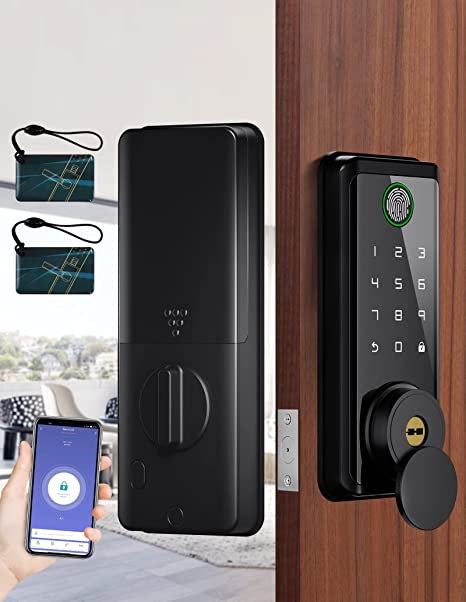
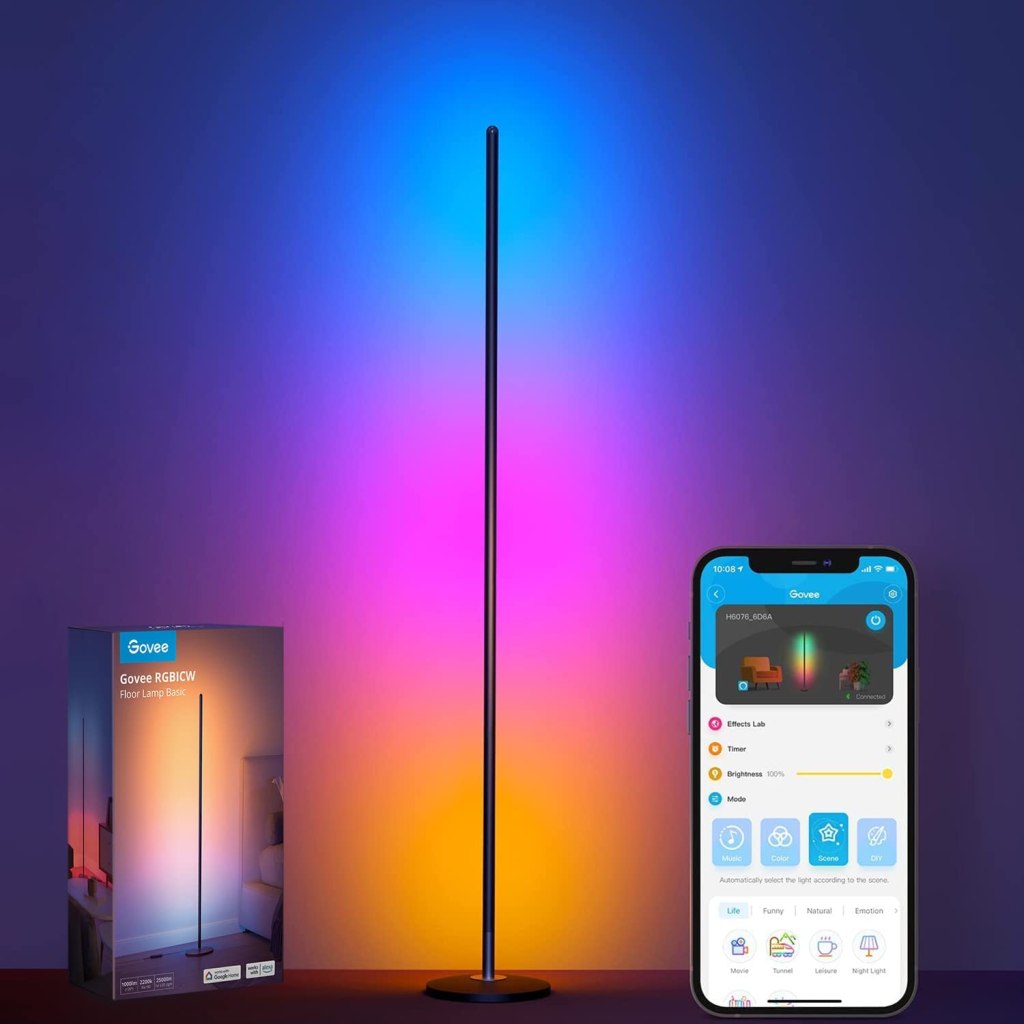
One of the most popular applications of IoT is in smart home devices. These devices connect to the internet and can be controlled remotely via a smartphone app. For example, a smart thermostat can learn your schedule and adjust the temperature of your home accordingly, saving you money on energy bills. A smart lock can allow you to unlock your front door remotely, so you can let in a delivery person or repair technician without having to be there in person. Smart lights can be set to turn on or off automatically, or to change color based on the time of day.
Personal Health Monitoring
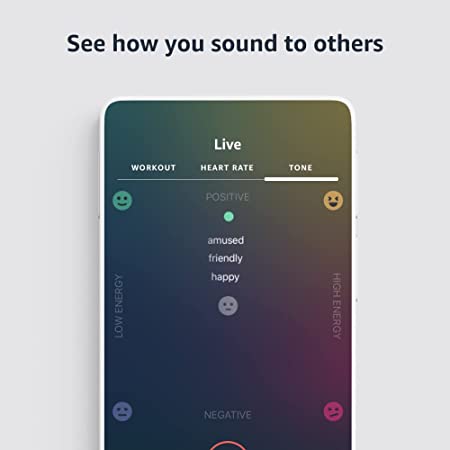
IoT can also be used to monitor our health and well-being. Wearable devices such as fitness trackers and smartwatches can track our activity levels, heart rate, and sleep patterns, and provide us with valuable insights into our overall health. Smart scales can track our weight and body composition over time, while smart blood pressure monitors can help us keep track of our blood pressure levels.
Improved Transportation
IoT is also being used to improve transportation, making it easier and more convenient for people to get around. For example, connected cars can provide real-time traffic updates and suggest alternative routes to avoid congestion. Smart parking meters can tell us when a parking spot is available, and even reserve it for us in advance. Bike-sharing schemes can be managed via IoT, allowing users to find and rent bikes using a smartphone app.
Enhanced Retail Experience
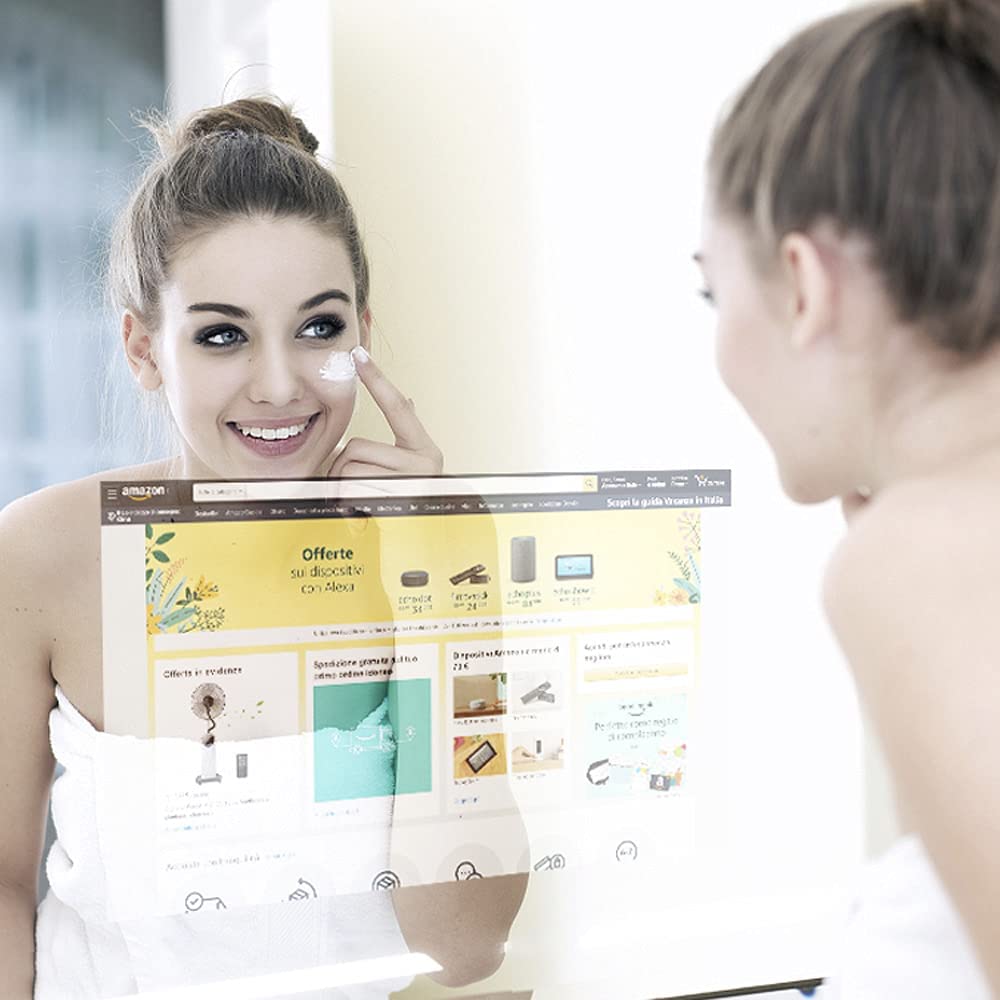
IoT can also enhance our retail experience, both online and offline. Connected devices such as smart fitting rooms can allow shoppers to try on clothes and see how they look without having to physically change. Smart mirrors can suggest makeup and hairstyle options based on the user’s facial features, while smart shopping carts can keep track of the items that have been scanned and even suggest recipes based on the ingredients.
Energy Efficiency
IoT can help us save energy and reduce our carbon footprint. Smart thermostats can learn our habits and automatically adjust the temperature to reduce energy consumption. Connected appliances such as washing machines and dishwashers can be programmed to run during off-peak hours when energy is cheaper. Smart lighting systems can be set to turn off automatically when no one is in the room.
Personalized Entertainment
IoT can also be used to personalize our entertainment experience. For example, smart TVs can recommend shows and movies based on our viewing habits, while smart speakers can suggest music based on our listening history. Connected gaming consoles can provide real-time feedback on our performance and suggest ways to improve.
Home Security
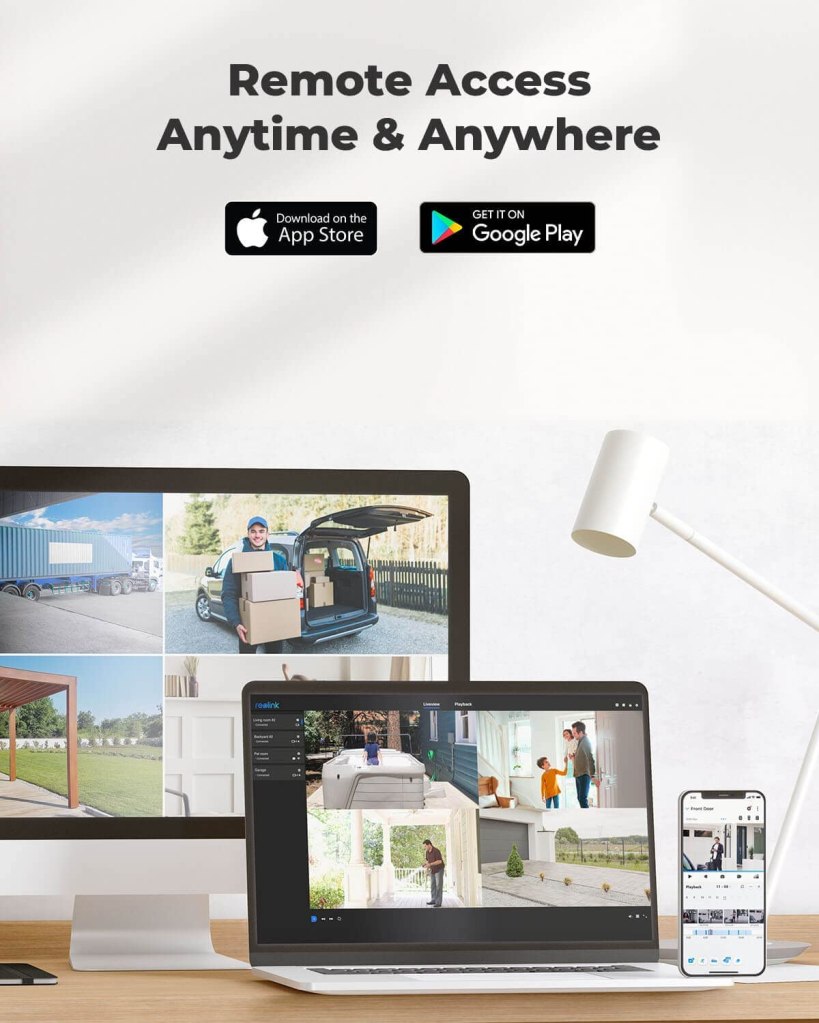
IoT can also enhance our home security. Connected cameras can be installed around the home to provide real-time video feeds and alerts when motion is detected. Smart locks can be programmed to lock automatically when no one is home, or to provide access to authorized visitors. Smart smoke detectors can alert us to potential fire hazards even when we’re away from home.
In conclusion, IoT has the potential to transform our lives in countless ways, making our homes smarter, our transportation more efficient, and our entertainment more personalized. While there are still concerns around data privacy and security, the benefits of IoT are too significant to ignore. By embracing this technology, ordinary people can enjoy a more convenient, more efficient, and more connected life.
 Book Movie Technology Reviews Fitness Wellness Health Tips